
Benefits of Rigid-Flex Printed Circuit Boards
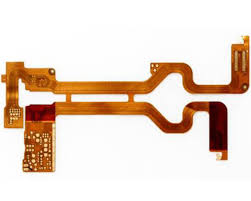
A rigid-flex PCB can be used to replace the bulky and complex wiring harnesses of traditional printed circuit boards. This allows for premium technology to be included in a much smaller and lighter package. This makes them suitable for a wide range of applications, from handheld consumer electronics to sophisticated military/defense systems and new energy vehicles.
Rigid flex circuits are designed to meet the stringent demands of harsh environments, such as constant movement and vibration, or high temperature fluctuations. This is because they are made of tough polyimide materials that can withstand mechanical stress and offer impeccable temperature resistance.
They also allow for a higher level of signal integrity due to the elimination of several points of interconnect, making them ideal for high-speed electronic devices. Furthermore, a rigid-flex circuit board can have a much wider bending radius than a traditional one, which means it will be less likely to break or fail in the long run.
Environmental Benefits of Rigid-Flex Printed Circuit Boards
In addition to their durability, rigid-flex printed circuit board are able to offer significant environmental benefits. These include: Reduced Manufacturing Costs – Rigid-flex PCBs require fewer connectors than regular circuit boards, which can help reduce assembly costs. This can save both time and money during production, and it also helps reduce waste from scrapping parts that would have been necessary to make the connections.
Better Durability in Harsh Environments – Rigid-flex circuit boards are designed to withstand mechanical stress, vibrations, and temperature fluctuations, making them ideal for use in harsh environments. In addition, they can be molded to fit into tight spaces and are lightweight, which means they can be used in more compact applications.
Improved Signal Integrity – Rigid-flex circuits feature a plated copper surface with narrower traces than regular PCBs, which allows for increased signal transmission and reliability. Additionally, they are typically insulated with a coverlay film that protects the copper and prevents signal interference. This can help increase the lifespan of a device and provide improved performance.
Easily Shielded from EMI/RFI – Rigid-flex PCBs can be protected from electromagnetic interference (EMI) and radio frequency interference (RFI) by adding an EMI shielding layer to the design. This can be added to specific areas of the flex PCB or throughout the entire circuit board.
A flex PCB is typically manufactured from either electro-deposited or rolled copper foils. The foils are then chemically treated to enhance their longevity, boost adhesion, and prevent oxidation. Afterwards, they can be laminated with various other materials to add a variety of functions and features to the final product. These can include a dielectric, which acts as an insulator and limits the flow of electricity, or a metal house to shield against electromagnetic waves. In addition, manufacturers may add a silver ink to the surface of the PCB for anti-reflective properties. If the flex circuit board is to be used in a high-vibration application, manufacturers can strengthen it with additional materials like fiberglass or epoxy resin to ensure its longevity.