
Czech German Shepherds Make Good Police Dogs
As working dogs that were bred for demanding border patrol and military work, working line German Shepherd are tenacious, strong-willed, intelligent and dedicated. They are quick to learn and have powerful, tenacious bites. As such, they are fiercely loyal protectors that will stick by their families day and night. They have exceptional stamina and endurance as well, and can perform complex tasks with ease. These traits make them an excellent choice for police and DEA dogs, as well as family guardians.
A well-trained dog will be a calm, loving companion. However, because of their high intelligence and intense energy levels, working line Czech Shepherds require an owner who is committed to training them and giving them ample opportunities for physical and mental stimulation. Dog sports like obedience and agility are ideal, as they will allow the dog to burn off their energy and will teach them new things.
These dogs also have a natural tendency to alert people and pets of danger. While this may seem intimidating, if properly trained it can be turned into an effective warning system that will help keep your loved ones safe. Because of this, it is important to socialize them from a young age and make sure they are comfortable around people in order to prevent any unwanted aggression from developing as an adult.
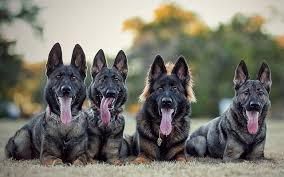
Do Czech German Shepherds Make Good Police Dogs?
As with all working dogs, a proper diet is essential for keeping your Czech Shepherd healthy. Avoid feeding them table scraps or treats, and only feed them a high-quality, nutritionally balanced canine food. It is typically best to feed them two measured meals a day to prevent overeating and encourage healthy digestion. Always keep fresh water available for your dog to drink, and monitor their weight to ensure that they are not getting overweight.
These working dogs can be prone to certain health issues, including hip dysplasia and degenerative myelopathy. These conditions can affect the white matter of the spinal cord, causing paralysis in the rear legs and eventually, front legs as well. Regular veterinary checkups and early diagnosis are important for preventing these conditions from becoming severe. Other conditions that can be addressed with proper treatment include degenerative myelopathy akc.org, an autoimmune disease that causes paralysis of the spinal cord; and, gastrointestinal tract disorders, such as inflammatory bowel disease and colitis.
While Czech Shepherds are an excellent choice for a variety of working contexts, they can be a challenging breed to live with as a pet because of their naturally protective nature. They are also a very rare breed ckc.ca, and often end up in shelters or rescues after their owners can no longer care for them. This makes it critical for potential adopters to carefully screen them for temperament and aggression before agreeing to take them home. A shelter or rescue should be able to provide you with information about the dog’s background and training history.
It is also a good idea to seek out professional trainers who have experience with working line Czech Shepherds and can offer tips on how to train your pet to be obedient and safe in public. Doing so will give you peace of mind that your dog will be well-behaved when out in public and in the company of strangers.