
Lifespan of a Quick Turn PCB
PCBs are indispensable parts of any electronic device that we use to communicate with other electronic components. They connect electrical wirings and act as an apt platform where components are mounted and soldered to each other, facilitating the interconnection of various parts of a device to make it functional. PCBs have a lifespan that depends on the quality of its design, fabrication, and assembly. The lifespan of a quick turn pcb can vary depending on the design and layout that is used, the type of components, the type of fabrication and assembly process, and the quality control measures taken. Regardless of the PCB’s lifespan, it is important that the design, fabrication, and assembly processes are as error-free as possible to ensure that the final product is functional.
Getting an accurate estimate of the lifespan of your PCB is crucial to understanding how long it will last before needing repairs or replacement. This can help you budget your expenses accordingly and make smart decisions about the materials and components that are used in your circuit board. This will help you get the most out of your PCBs and reduce the number of times they need to be replaced or repaired in the future.
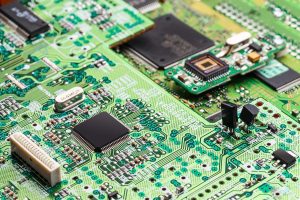
The typical lifespan of a Quick turn pcb is dependent on the quality of its design, fabrication, assembly, and testing processes. It is also affected by the number of layers or board stack up, the mounting technique (surface mount or through hole), and lamination. Quick turn PCBs are fabricated, assembled and tested in a remarkably short period, helping companies to meet demanding deadlines and pressing schedules without compromising the quality of their products.
The Typical Lifespan of a Quick Turn PCB
Quick turnaround in the manufacturing process of PCBs is becoming increasingly common, allowing companies to get their products to market faster and improve their competitiveness. However, it is important to choose a reputable and experienced firm when working with quick turn PCBs, as the process involves many complicated steps that can be affected by errors.
To avoid these errors, it is essential to test the PCBs after they are completed to ensure that they are functioning properly. This can be done through prototypes or visual models, which allow the manufacturers to see how the finished product will look and save valuable time on explanations and reworks.
It is also vital to carefully check the design for manufacturability before submitting it for production. This will help to prevent delays in the delivery process and increase efficiency by eliminating errors that would otherwise be difficult to spot once they are made into the actual product.
A good manufacturer will review the design files to identify any problems that could delay production and offer solutions. They should also provide a full list of Technical Questions (TQs) within a few hours of receiving the order, so that any issues are addressed immediately. It is important to choose a PCB manufacturer that can accommodate your specific requirements, including the amount of layers and component placements.