
Considerations For Flex Circuit PCBs
The design of flex circuit PCBs involves the use of both rigid and flexible materials to provide structure, support and bending capability. These specialized materials must be selected carefully to ensure the longevity of the board and its ability to withstand environmental conditions like temperature fluctuations, moisture and vibration.
Rigid materials are typically composed of fiberglass or other composite substrates, while flex elements are made from polyimide and other flexible plastics. The combination of rigid and flex elements allows for the creation of compact electronic devices with a high degree of functionality.
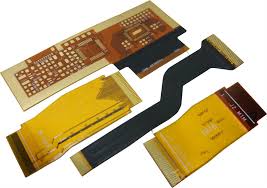
Unlike rigid circuit boards, flex circuit pcb can be twisted or bent repeatedly without compromising their functionality. Their durability and resistance to mechanical stress can help reduce maintenance costs and improve performance in harsh environments. However, flex circuits have higher initial costs than rigid panels because of the specialized materials used to create them.
Environmental Considerations For Flex Circuit PCBs
When designing a flex circuit, it’s important to consider the maximum number of bends that will be required and the minimum radius that must be maintained. This will help prevent the copper from becoming oxidized or damaged due to overstressing, which can affect signal integrity. A minimum bend radius of 8 mils is recommended for flex PCBs. It’s also important to avoid plated through-holes or components in the area that will be subjected to heavy strain. Instead, it’s best to use pin-outs or teardrop (pad fillets) shaped vias that are less likely to crack or break under stress.
Other factors to consider when designing a flex circuit include the material used to construct the rigid and flex elements, the type of adhesives and shielding methods. For example, using a solid copper layer can improve control of impedance and bend requirements, while cross-hatched copper layers are less expensive but may not be as flexible. In addition, flex PCBs should be designed with controlled impedance to minimize signal reflections that can cause EMI and reduce signal strength.
The assembly of a flex circuit requires a high level of precision. Specialized fixtures must be used to hold the panel and make sure that all the connections are properly aligned and soldered. The resulting product should be tested for quality and reliability before it is shipped.
When choosing a flex PCB manufacturer, it’s crucial to work with a turnkey provider who can handle all aspects of the process, including design, manufacturing and assembly. This helps eliminate multivendor miscommunication and provides a higher quality-to-cost ratio. It’s also important to choose a manufacturer that uses advanced testing and assembly equipment and has a strong track record of customer satisfaction. They should also offer a competitive turnaround time and be ISO certified and registered. In addition, a reputable manufacturer will provide samples of their work to show you the quality they can deliver. You can also visit them to see their advanced facilities and equipment firsthand.