
impact of PCB rigid flex on thermal expansion
Rigid-flex circuit boards feature rigid segments that are paired with flexible sections for strength and dynamic adaptability. They offer a blend of reliability and functionality to support a broad range of applications from medical imaging equipment to military missile guidance systems. Rigid flex circuits enable almost complete design freedom and can be bent, twisted or formed to save space and reduce weight. They are also capable of withstanding constant movement and vibrations. These features make rigid-flex circuits a popular choice for automotive industry technologies, medical devices and consumer electronics like wearables.
To realize the full benefits of PCB rigid flex, it is critical to employ rigorous prototyping and assembly techniques. This includes a detailed inspection of the PCB from both an optical and mechanical standpoint to identify issues before manufacturing begins. A comprehensive visual inspection and automated optical inspection (AOI) are crucial to catching solder bridging, misaligned components or traces, and other quality problems that may otherwise go unnoticed during production. In addition to the inspections mentioned above, a functional test is essential to verify that the rigid-flex circuit meets its intended performance and reliability standards.
One of the most common challenges associated with a pcb rigid flex is ensuring proper registration between rigid and flex layers. This is a key step in ensuring that the rigid-flex circuit will function as intended, and can be done through the use of fiducials. These are small, round features that are placed on the corners of the rigid-flex PCB and serve to align the two layers during assembly and inspections. Another method is the use of alignment holes, which provide a clear path for locating and placing components on a rigid-flex circuit board.
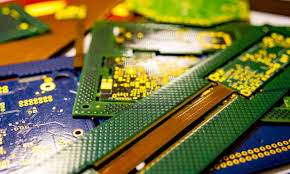
What is the impact of PCB rigid flex on thermal expansion?
The materials chosen for the fabrication of a PCB rigid-flex are also a significant factor in its performance. Copper is a preferred conductor material for rigid-flex circuits, as it offers a wide array of beneficial properties, including high workability and good electrical characteristics. To prepare copper foil for rigid-flex fabrication, it must be cleaned thoroughly. This involves removing the antirust layer and chemically treating it with various solutions to reduce adhesion, augment bond strength, and protect against oxidation.
Adhesives used in the manufacture of a PCB rigid-flex also play an important role. They need to be able to withstand elevated and fluctuating temperatures, be compatible with the copper foil, and offer high bond stability. Epoxies are the most popular adhesive type for rigid-flex PCBs, and can be formulated with additives to improve flexibility and resistance.
To minimize the risk of a PCB rigid-flex failing, it is crucial to understand the limitations of these types of materials and to work with a manufacturer that can handle their specific requirements. A qualified manufacturer will know the best practices for working with the materials and will be able to address any potential issues that arise during fabrication and assembly. This will ensure a high-quality, reliable product that will meet your specific needs.