
pcb circuit board assembly
Printed Circuit Boards (PCBs) are the backbone of modern electronics, serving as the platform upon which electronic components are mounted and interconnected. Within the intricate web of PCB assembly, adhesives play a pivotal role, often overlooked but indispensable in ensuring the structural integrity, reliability, and performance of electronic devices. From securing components to enhancing thermal management, the application of adhesives in PCB assembly is multifaceted and essential for producing high-quality electronic products.
At the heart of pcb circuit board assembly lies the need for secure component attachment. Adhesives act as the binding agent, firmly adhering electronic components to the board’s surface. This bonding ensures mechanical stability, preventing components from dislodging due to vibrations, shocks, or thermal expansion and contraction. Whether it’s delicate microchips or bulky capacitors, adhesives provide the necessary adhesion strength to keep components in place, even under extreme operating conditions.
Moreover, adhesives play a crucial role in sealing and protecting electronic components from environmental factors such as moisture, dust, and chemicals. By creating a barrier between the components and the external environment, adhesives shield sensitive electronics from potential damage, corrosion, or short circuits. This protective function is particularly vital in applications exposed to harsh operating environments, such as automotive electronics or industrial control systems, where reliability is paramount.
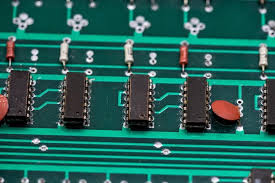
What role do adhesives play in pcb circuit board assembly assembly?
In addition to mechanical and protective functions, adhesives contribute to the thermal management of PCB assemblies. Electronic components generate heat during operation, and efficient dissipation of this heat is essential to prevent overheating and ensure optimal performance and longevity. Thermally conductive adhesives facilitate heat transfer from the components to the PCB, heat sinks, or other dissipative structures, thereby aiding in thermal management and preventing thermal runaway.
The miniaturization trend in electronics has further underscored the importance of adhesives in PCB assembly. As electronic devices become smaller and more compact, traditional mechanical fastening methods such as screws or clips are often impractical or insufficient. Adhesives offer a viable solution for bonding miniature components or attaching components to space-constrained areas on the PCB, enabling designers to optimize layout and packing density without compromising structural integrity.
Furthermore, adhesives enable the integration of heterogeneous materials in PCB assembly, accommodating diverse substrate materials, surface finishes, and component types. Whether bonding metals, ceramics, plastics, or composites, adhesives provide a versatile means of joining dissimilar materials, overcoming compatibility issues, and enhancing assembly flexibility. This capability is instrumental in the development of advanced PCB designs, including flexible or rigid-flex PCBs, which require bonding of flexible substrates and rigid components.
The evolving landscape of electronics manufacturing, characterized by rapid innovation and customization, demands adhesives with tailored properties and application techniques. Manufacturers are increasingly turning to specialized adhesives optimized for specific PCB assembly processes, such as surface mount technology (SMT), through-hole assembly, or underfill applications. These adhesives offer advantages such as rapid cure times, low outgassing, high temperature resistance, or compatibility with automated dispensing equipment, streamlining production and improving yield rates.
In conclusion, adhesives are indispensable in PCB circuit board assembly, serving as the glue that holds electronic components together, protects them from environmental hazards, facilitates thermal management, enables miniaturization, and fosters material compatibility. As electronic devices continue to advance in complexity, performance, and miniaturization, the role of adhesives in PCB assembly will only become more critical, driving innovation in adhesive technology and process optimization to meet the evolving demands of the electronics industry.