frequency play in vibroacoustics
Frequency plays a fundamental role in vibroacoustic therapy, determining how sound vibrations interact with the body to promote relaxation, pain relief, and overall well-being. Vibroacoustics relies on low-frequency sound waves, typically between 30 Hz and 120 Hz, to create gentle vibrations that resonate with the body’s natural frequencies. These vibrations stimulate various physiological processes, helping to regulate the nervous system, improve circulation, and enhance overall wellness.
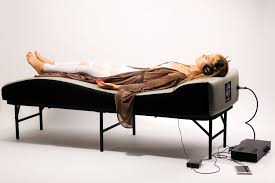
Vibroacoustic Therapy (VAT) is an FDA-approved wellness modality that utilizes sound vibrations to enhance an individual’s physical and mental health. Unlike conventional therapies, VAT specifically employs low-frequency waves that mimic the body’s internal resonances. This alignment between external frequencies and the body’s natural rhythms helps reduce stress, alleviate pain, and promote deep relaxation. The precise frequency used in therapy can determine the extent of its benefits, making frequency selection a critical aspect of vibroacoustic applications.
Different frequencies in vibroacoustic therapy produce unique effects on the body. Lower frequencies, such as 30 Hz to 50 Hz, are often associated with deep tissue stimulation and pain relief. These frequencies penetrate muscles and joints, helping to relax tension, reduce inflammation, and accelerate healing. On the other hand, mid-range frequencies, such as 60 Hz to 80 Hz, are commonly used to promote relaxation and reduce anxiety by influencing brainwave activity and nervous system function.
What role does frequency play in vibroacoustics?
At Vibroacoustic Solutions, we’ve reimagined VAT devices to be lightweight, portable, and modular, offering unparalleled affordability and versatility. Unlike traditional bulky, expensive equipment, our products are designed to deliver precise frequencies tailored to individual needs. By offering adjustable frequency settings, our devices allow users to personalize their therapy experience and optimize the benefits of vibroacoustic stimulation.
Higher frequencies in the vibroacoustic spectrum, ranging from 90 Hz to 120 Hz, are often associated with cognitive stimulation and mental clarity. These frequencies can enhance focus, support emotional balance, and improve sleep quality by promoting a state of relaxation. Research has shown that specific frequencies can influence brainwave activity, guiding the mind into a meditative state that supports mental well-being.
The body’s response to vibroacoustic frequencies is largely influenced by the concept of resonance. Every cell and tissue in the body vibrates at a natural frequency, and when exposed to an external frequency that matches or complements it, the body absorbs the vibrations more efficiently. This principle, known as entrainment, is why frequency selection is so important in vibroacoustic therapy. By using the right frequencies, therapists can maximize the therapeutic effects and provide targeted relief for various conditions.
Another crucial aspect of frequency in vibroacoustics is its impact on heart rate variability (HRV), a key indicator of overall health. Studies suggest that exposure to specific low-frequency vibrations can improve HRV, indicating a balanced autonomic nervous system. This makes vibroacoustic therapy an effective tool for stress management, relaxation, and cardiovascular health.
In conclusion, frequency plays a vital role in determining the effectiveness of vibroacoustic therapy. Whether used for deep tissue stimulation, mental relaxation, or cognitive enhancement, the precise selection of frequencies can significantly impact the therapeutic outcome. With advancements in VAT technology, individuals can now experience tailored vibroacoustic treatments that align with their personal health goals, making sound therapy more accessible and effective than ever before.